
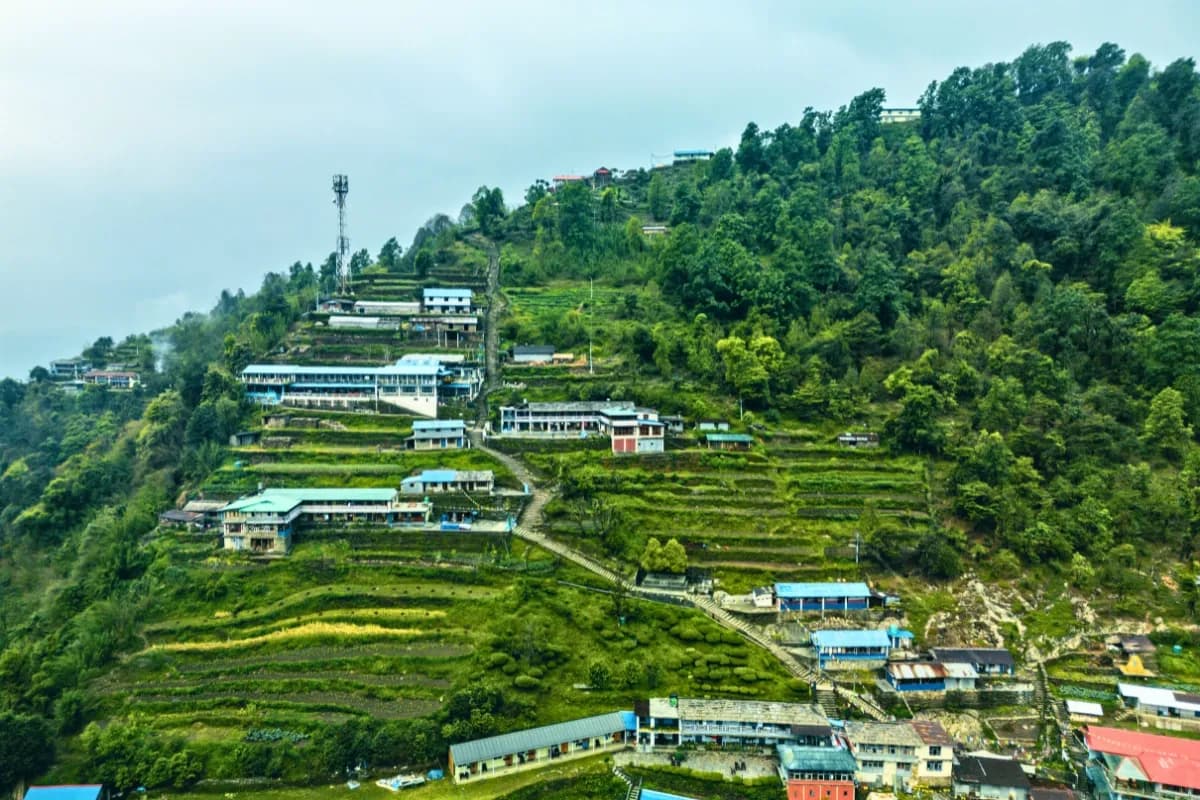
Morning in Samthar begins with natural sounds—birds calling, roosters crowing, dogs barking in the distance. If you wake early, step outside for sunrise over mountain ranges. The peaks catch first light while valleys remain shadowed, creating dramatic contrasts beloved by darjeeling photographers.
Village morning routines start early here. Farmers head toward fields, women fetch water, children prepare for school if it's a weekday. Watching these patterns unfold gives appreciation for mountain life's rhythm that sustainable darjeeling tourism aims to support rather than disrupt.
Before breakfast, explore Samthar's surroundings on foot. Trails lead through nearby forests and fields. Your hosts can suggest routes matching your fitness level and available time. Walking these paths connects you with landscapes that define darjeeling tourism's natural appeal.
Return to your homestay for breakfast. Local bread, eggs, vegetables, butter, honey, and strong tea. Mountain mornings can be chilly, making hot food especially welcome. Your hosts serve generous portions because feeding guests well remains important in cultures supporting authentic darjeeling tour.
Thank your homestay family properly before departing. They've shared their home, meals, and stories—opening their lives to strangers seeking darjeeling tourism experiences. Many travelers maintain connections with host families, returning year after year to visit friends rather than just tourist destinations.
The drive toward Kalimpong goes through Lava, making it a logical stop. Lava sits surrounded by thick forests at comfortable altitude. The village has a working monastery where monks maintain Buddhist practices integral to regional culture shaping darjeeling tourism character.
Stop at Lava monastery for a visit. This isn't a tourist attraction but an active religious site where monks live and pray. Prayer wheels line the exterior, prayer flags flutter overhead. Inside, butter lamps flicker, incense burns, murals cover walls. Respectful visitors are welcome to observe and learn about Buddhism's role in darjeeling tourism regions.
If timing works, you might see prayer sessions. Monks chant in deep voices, creating resonant sounds. Even without understanding words or rituals, the atmosphere feels powerful. Cultural immersion like this elevates darjeeling tourism beyond mere sightseeing into genuine learning experiences.
Lava has small restaurants for lunch stops. Momos are universal here—steamed or fried dumplings with various fillings. Each place makes them slightly differently, and trying different versions becomes a fun darjeeling tourism food adventure. Pair them with spicy chutney and hot tea.
The forest surrounding Lava deserves exploration if you have time. Trails wind through dense vegetation hosting diverse bird species. Serious birdwatchers come to Lava specifically for this biodiversity. Even casual nature lovers enjoy the forest atmosphere and fresh air defining quality darjeeling tourism experiences.
Continue driving to Kalimpong, which takes roughly an hour from Lava. The road winds downward slightly as you approach town. Landscape opens up with more development visible. Kalimpong is substantially bigger than anywhere you've stayed, though it maintains hill town character important to darjeeling tourism appeal.
Check into your Kalimpong hotel mid-afternoon. After homestay basics, the hotel feels luxurious with comfortable beds, reliable hot water, room service. Both experiences have value when exploring darjeeling tourism—villages offer authenticity, towns provide comfort and broader amenities.
Late afternoon works perfectly for exploring Kalimpong's main market area. The bazaar has shops selling Tibetan handicrafts, woolens, books, local products. People come from surrounding villages to shop here, making it excellent for observing daily life beyond polished darjeeling tourism presentations.
Kalimpong has decent cafes where you can relax with drinks and snacks. Some have balconies overlooking valleys. Sitting and watching town rhythms provides a different perspective on darjeeling tourism—how communities function, how modernity mixes with tradition, how tourism impacts local economies.
Dinner options vary widely in Kalimpong. Restaurants serve Indian, Chinese, Tibetan, continental cuisines. After days of simple mountain meals, you might want something different. Or you might crave dal and rice because you've developed taste for it during your darjeeling tourism journey.
Evening in Kalimpong has pleasant energy. Families stroll main roads, young people gather at popular spots, shops stay open late. It's lively without being overwhelming—a nice balance reflecting how darjeeling tourism can develop without destroying the qualities that attracted visitors initially.