
Nepal
Nepal


Popular Tour Packages
-
Featured


Amazing 10 Best Nepal Tour Package Destinations for 2025
Welcome to Nepal, the enchanting Himalayan nation often called “Paradise on Earth.” Our expertly crafted nepal tour package options showcase this incredible destination where ancient traditions meet breathtaking landscapes. From towering mountain peaks to vibrant cultural heritage, Nepal offers experiences that transform every traveler. Whether you’re seeking adventure, spirituality, or cultural immersion, our comprehensive nepal tour package selections ensure unforgettable memories. Nepal’s tourism industry has achieved remarkable recovery, welcoming over one million visitors in 2024. With diverse experiences ranging from Everest Base Camp treks to jungle safaris, Nepal stands ready to offer world-class adventures. Our carefully designed itineraries cater to all travel styles and preferences.
Captivating Tourist Attractions in Nepal
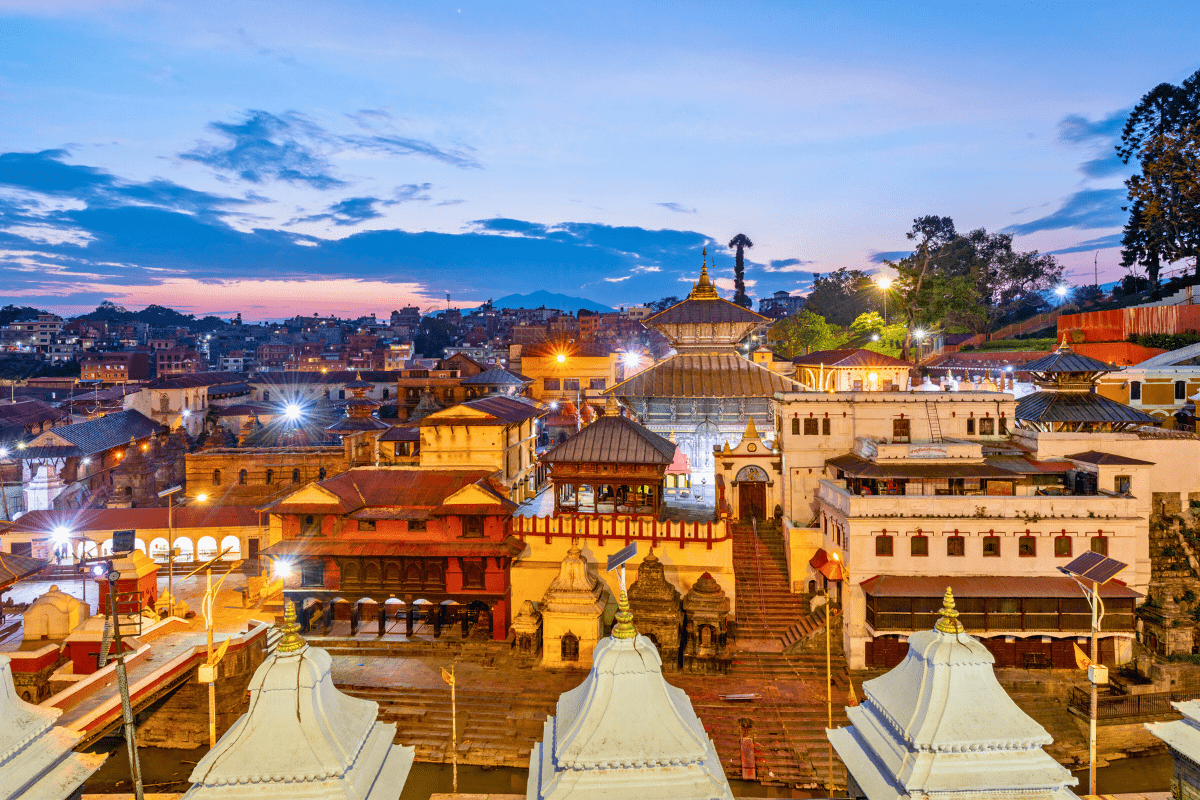
Nepal’s tourist attractions span from ancient temples to pristine wilderness areas. The Kathmandu Valley houses seven UNESCO World Heritage Sites, making it perfect for cultural exploration. Swayambhunath Stupa, known as the Monkey Temple, offers panoramic valley views from its 2,000-year-old Buddhist complex. This sacred site provides excellent photography opportunities and spiritual experiences. Pashupatinath Temple serves as Nepal’s most important Hindu pilgrimage site along the sacred Bagmati River. The temple complex features intricate architecture and ongoing religious ceremonies that fascinate visitors throughout the day.
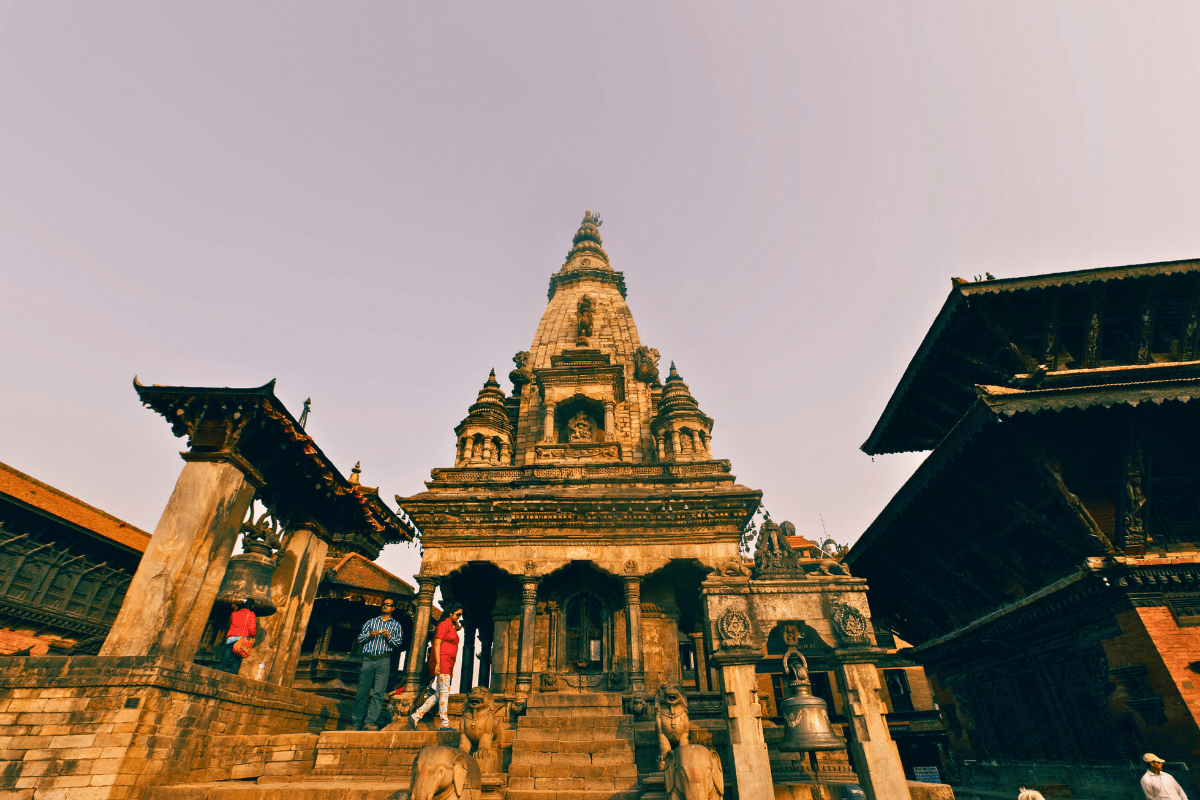
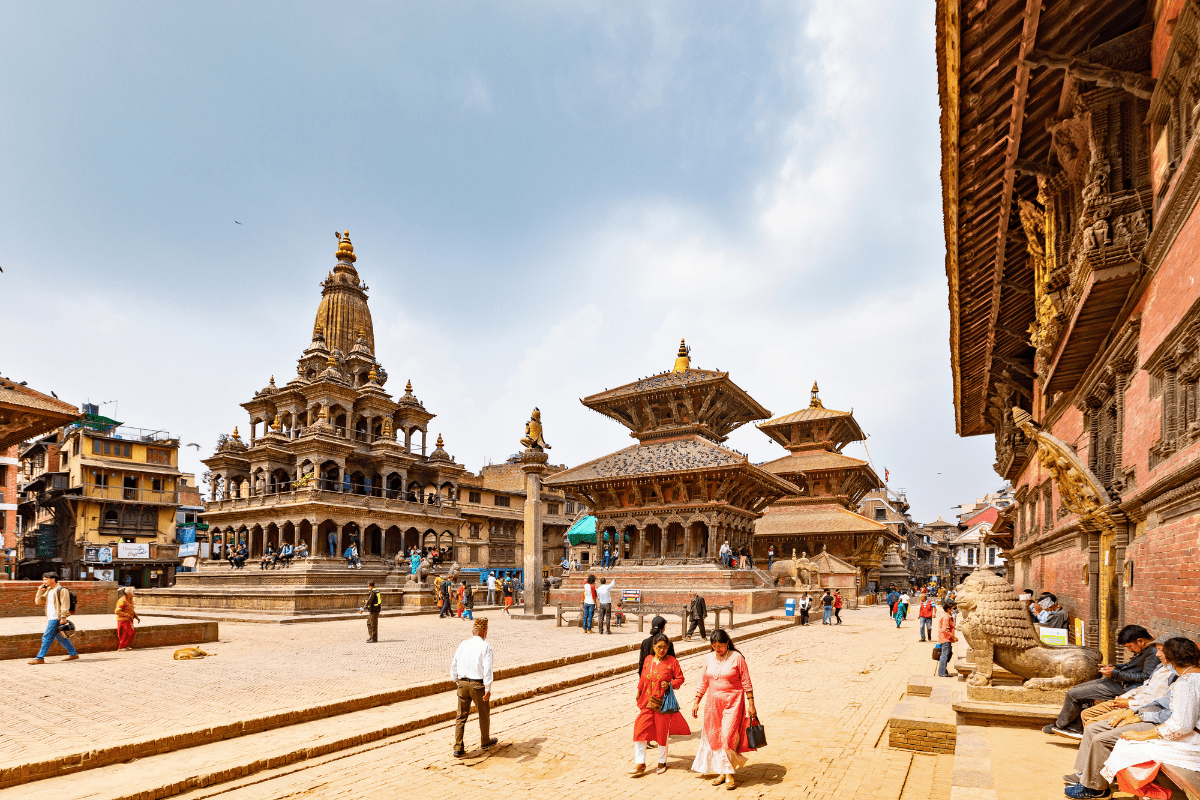
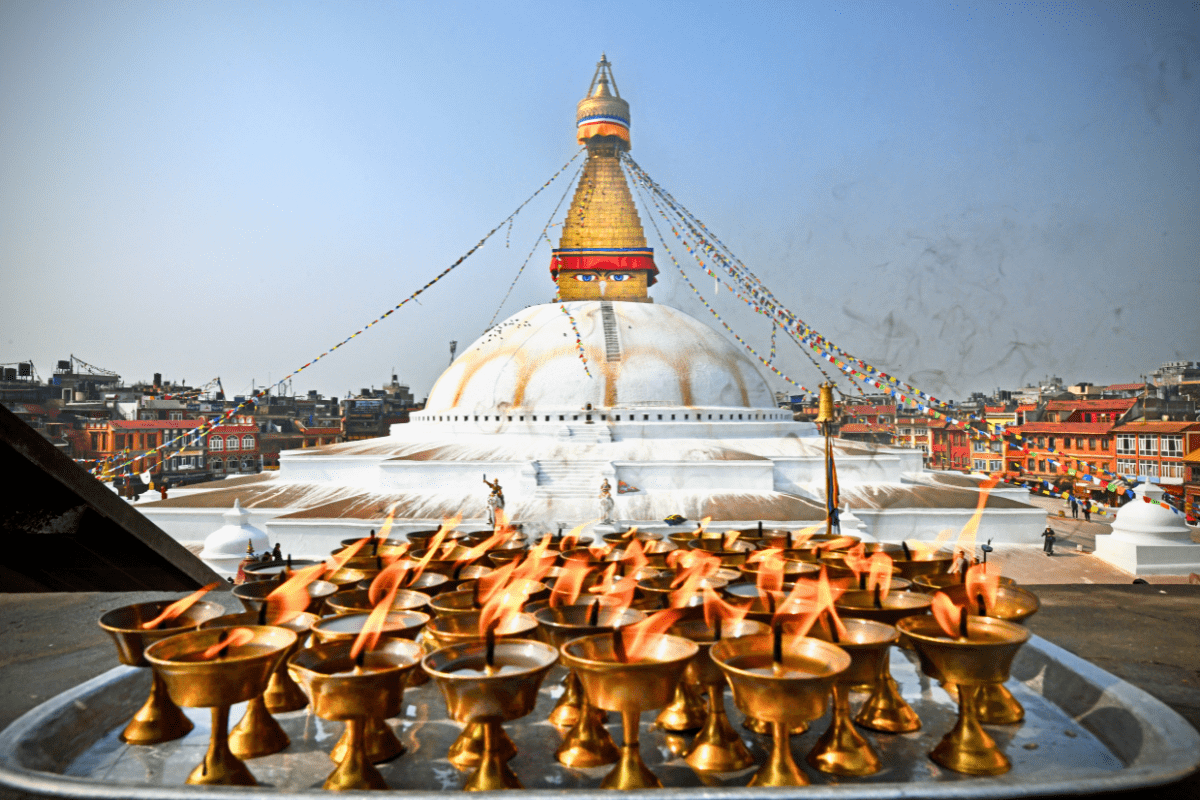
Boudhanath Stupa stands as one of the world’s largest Buddhist stupas and Tibet’s spiritual center in Nepal. This massive structure attracts pilgrims from across the Himalayan region. The surrounding area features traditional Tibetan shops, monasteries, and authentic restaurants serving regional cuisine. Evening prayer ceremonies create magical atmospheres with flickering butter lamps and chanting monks. Durbar Squares in Kathmandu, Patan, and Bhaktapur showcase centuries of Newar architecture and royal heritage. These historic complexes feature intricate woodcarvings, ancient palaces, and traditional courtyards that transport visitors back in time.
Spiritual and Cultural Heritage Sites
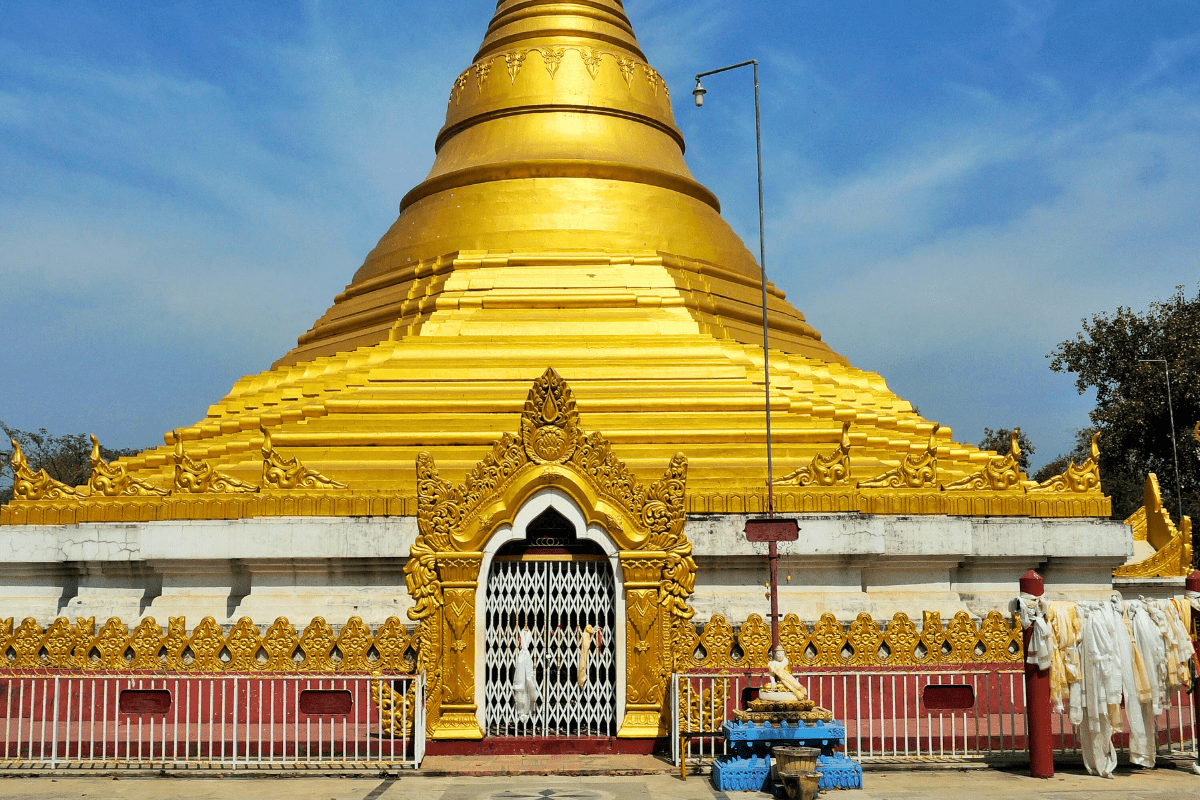
Lumbini represents Buddha’s birthplace and serves as a major pilgrimage destination for Buddhists worldwide. The sacred garden houses the Maya Devi Temple and international monastic zone featuring temples from 26 different countries. This peaceful sanctuary offers meditation opportunities and spiritual learning experiences. Muktinath Temple attracts both Hindu and Buddhist pilgrims seeking blessings at this sacred site. Located at 3,710 meters elevation, the temple features 108 water spouts and eternal flames that create mystical atmospheres.
Janaki Mandir in Janakpur represents the largest temple complex in Nepal dedicated to Goddess Sita. This magnificent structure showcases traditional Rajasthani architecture with beautiful gardens and peaceful courtyards. The temple hosts vibrant festivals throughout the year, particularly during Ram Navami celebrations. Tengboche Monastery provides spiritual experiences in the Everest region with stunning mountain backdrops. This important Buddhist center offers meditation courses and cultural programs for international visitors seeking authentic Himalayan spirituality.
TOP 12 Places to Visit in Nepal
Kathmandu, the vibrant capital city, serves as the gateway to Nepal’s incredible treasures. This cultural hub features ancient temples, bustling markets, and modern amenities within walking distance. The historic Durbar Square showcases royal palaces and intricate architecture from medieval periods. Thamel district offers excellent shopping, dining, and accommodation options for international travelers. The city provides perfect base for exploring surrounding valleys and preparing for mountain adventures throughout the country.
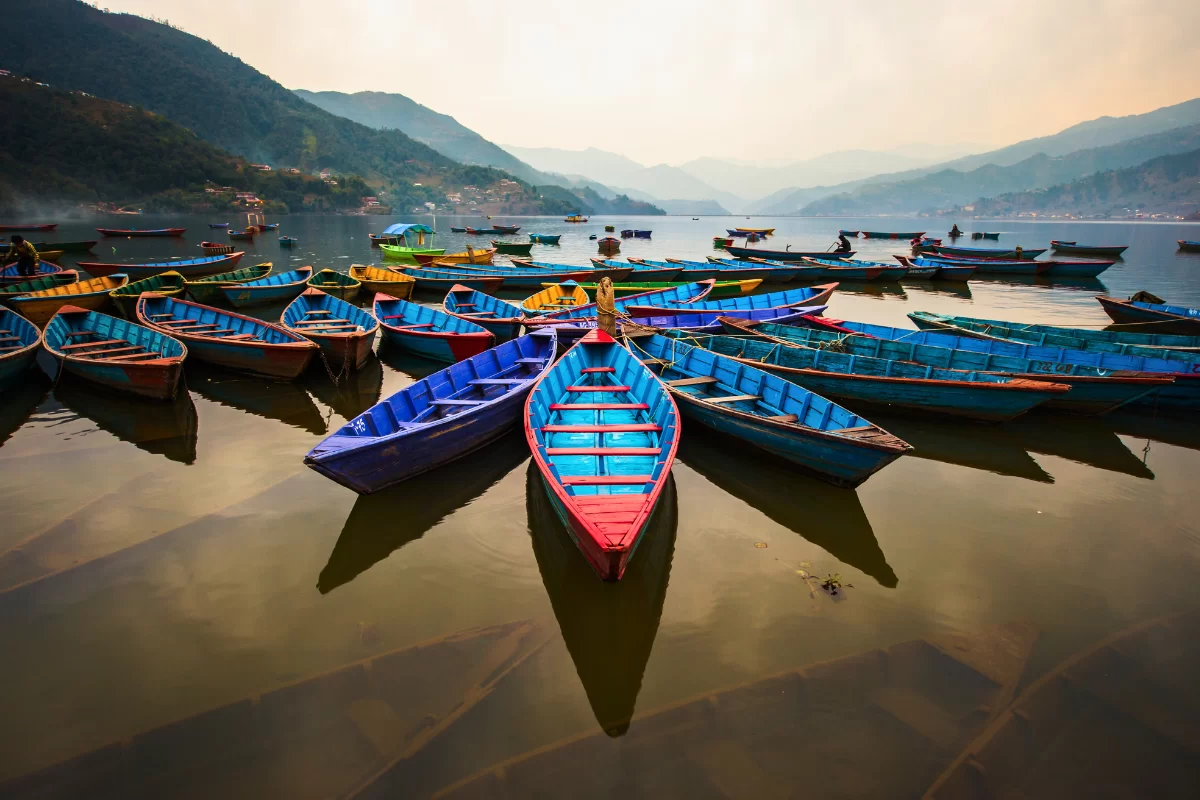
Pokhara serves as Nepal’s adventure capital with its stunning lakeside setting and mountain panoramas. Phewa Lake features the iconic Tal Barahi Temple floating peacefully on its crystal-clear waters. The city offers world-class paragliding, bungee jumping, and ultralight flights with breathtaking Himalayan backdrops. Pokhara’s relaxed atmosphere provides perfect contrast to Kathmandu’s bustling energy. The recently opened international airport improves accessibility for travelers seeking convenient mountain access.
Mountain and Trekking Destinations
The Everest region remains Nepal’s crown jewel destination for mountaineering enthusiasts and trekkers worldwide. Everest Base Camp attracts thousands of adventurers annually seeking to reach the foot of the world’s highest peak. Namche Bazaar provides cultural immersion with traditional Sherpa communities and stunning mountain views. The trek offers spectacular glacial valleys, suspension bridges, and high-altitude monasteries. Tengboche provides spiritual experiences at 3,867 meters with magnificent Everest panoramas.
Annapurna region offers diverse trekking experiences from gentle walks to challenging expeditions across varied landscapes. The Annapurna Circuit showcases dramatic mountain scenery, traditional villages, and cultural diversity within accessible timeframes. Ghorepani Poon Hill provides excellent introduction treks with sunrise views over the Annapurna and Dhaulagiri ranges. The region features comfortable teahouses, well-marked trails, and friendly local communities. Mardi Himal trek offers stunning Annapurna views through rhododendron forests and alpine meadows.
Wildlife and Nature Destinations
Chitwan National Park protects over 700 one-horned rhinoceros and Royal Bengal tigers across diverse ecosystems. This UNESCO World Heritage Site offers excellent wildlife viewing opportunities through jungle safaris and guided nature walks. The park features sal forests, grasslands, and riverine areas supporting incredible biodiversity. Elephant safaris provide unique perspectives for observing wildlife in their natural habitats. Cultural programs with Tharu communities add authentic local experiences to wildlife adventures.
Bardia National Park offers superior tiger sighting opportunities with less tourist pressure than other destinations. This remote park features the largest tiger conservation area when combined with neighboring Banke National Park. The pristine wilderness supports elephants, rhinoceros, and diverse bird species across vast protected areas. River rafting on the Karnali adds adventure elements to wildlife experiences. The park provides excellent opportunities for serious wildlife enthusiasts seeking authentic jungle experiences.
Best Time to Visit Nepal in 2025
Planning your nepal tour package requires understanding Nepal’s distinct seasonal patterns for optimal experiences. Peak seasons offer the most reliable weather conditions but higher costs and larger crowds. Off-season travel provides budget advantages and unique experiences with careful planning and preparation.
Spring Season (March to May)
Spring represents Nepal’s most colorful season with blooming rhododendrons transforming mountain slopes into vibrant displays. This period features warm days averaging 20-27°C with excellent trekking conditions and clear mountain views. The weather remains stable with minimal rainfall and comfortable temperatures for outdoor activities. Rhododendron forests create spectacular photography opportunities throughout the Himalayan foothills. Spring festivals add cultural richness to travel experiences with traditional celebrations and local customs.
However, spring attracts the highest number of tourists, resulting in crowded trails and premium accommodation rates. Popular trekking routes become busy, requiring advance bookings for lodges and permits. The season offers perfect conditions for mountaineering expeditions and high-altitude adventures. Cultural tours benefit from pleasant weather and excellent visibility for sightseeing activities.
Autumn Season (September to November)
Autumn delivers Nepal’s clearest skies with stable weather patterns and exceptional mountain visibility throughout the region. This season features comfortable temperatures ranging from 18-23°C with minimal rainfall and calm atmospheric conditions. The period following monsoon rains creates fresh, clean air and crystal-clear mountain panoramas. Autumn provides ideal conditions for both trekking adventures and cultural exploration activities. The stable weather patterns ensure reliable travel schedules and outdoor activity planning.
This popular season attracts significant tourist numbers, particularly from international trekking enthusiasts seeking perfect mountain conditions. Accommodation prices increase during peak demand periods, especially in popular destinations like Everest and Annapurna regions. The season offers excellent wildlife viewing opportunities as animals gather around water sources after monsoon periods.
Winter and Monsoon Considerations
Winter months (December-February) provide fewer crowds and lower costs but require preparation for cold conditions, especially at higher elevations. This season excels for wildlife viewing in national parks when animals concentrate around water sources. Lower altitude regions maintain pleasant daytime temperatures while nights become quite cold. Cultural tours remain comfortable in valley areas with shorter daylight hours.
Summer monsoon (June-August) brings heavy rainfall but offers the lowest prices and unique experiences in rain shadow areas. Upper Mustang and Dolpo regions remain dry during monsoon periods, providing exclusive access to restricted areas. The season creates lush landscapes and powerful waterfalls throughout the country. Budget travelers benefit from significant cost savings during this period.
Transportation in Nepal
Nepal’s transportation network combines modern infrastructure with traditional methods across diverse terrains and elevations. Domestic flights connect major destinations quickly while road networks provide scenic overland journeys through mountain landscapes. Tourist buses offer comfortable travel between popular destinations with professional drivers familiar with mountain roads. Local transportation includes taxis, ride-sharing apps, and traditional vehicles for short-distance travel.
Private vehicle rentals provide flexibility for independent travelers seeking customized itineraries and remote destination access. Experienced drivers navigate challenging mountain roads while sharing local knowledge and cultural insights. Motorcycle rentals offer adventurous transportation options for experienced riders comfortable with mountain terrain. Walking remains essential for exploring historic city centers and trekking areas where vehicles cannot access.
Domestic Flight Services
Nepal’s domestic airline network connects major tourist destinations efficiently with regular scheduled services throughout the year. Popular routes include Kathmandu to Pokhara, Lukla, and Bharatpur with multiple daily flights during peak seasons. Mountain airports provide access to remote trekking regions and cultural destinations otherwise requiring long overland journeys. Flight costs range from $60-200 depending on destination and season, offering time-saving alternatives to lengthy bus journeys.
Weather conditions can affect flight schedules, particularly in mountain regions where visibility and wind conditions impact safety. Travelers should build flexibility into itineraries when relying on domestic flights for tight connections. Weight restrictions apply for mountain flights, requiring careful packing considerations for trekking equipment and personal belongings.
Thrilling Nepal Adventure Activities
Nepal’s adventure activities span from gentle cultural walks to extreme mountaineering expeditions across diverse landscapes and elevations. The country offers world-class trekking with routes suitable for all fitness levels and experience backgrounds. Professional guide services ensure safety while providing cultural insights and environmental education throughout adventures. Equipment rental and support services maintain international standards for safety and reliability.
Trekking and Mountaineering
Everest Base Camp represents the classic Himalayan trek, requiring 12-14 days with costs ranging $1,500-3,000 including permits, guides, and accommodation. The journey showcases spectacular glacial valleys, Sherpa culture, and breathtaking mountain panoramas. Proper acclimatization and physical preparation ensure safe and enjoyable experiences. Professional guide services provide safety support and cultural education throughout the journey.
Annapurna Circuit offers diverse landscapes and cultural experiences over 15-20 days with costs ranging $1,000-2,500 depending on service levels. The trek crosses dramatic mountain passes, traditional villages, and varied climate zones within accessible timeframes. Shorter options include Ghorepani Poon Hill (4-5 days) for beginners and Mardi Himal (6-8 days) for stunning Annapurna views with moderate difficulty levels.
Extreme Adventure Sports
Paragliding in Pokhara offers world-class flying conditions with Annapurna mountain backdrops and thermal currents providing extended flight times. Professional pilots ensure safety while providing spectacular aerial perspectives of lakes, mountains, and valleys. Tandem flights accommodate beginners while solo courses train experienced adventurers. The flying season extends from September through May with optimal conditions during stable weather periods.
Bungee jumping at The Last Resort provides 160-meter free falls from the world’s second-highest bungee platform over the Bhote Koshi gorge. Professional operators maintain international safety standards with experienced jump masters and quality equipment. White water rafting on rivers like Trishuli (Grade 3+) and Bhote Koshi (Grade 4-5) delivers adrenaline with professional safety standards and experienced guides.
How to Reach Nepal
International travelers primarily access Nepal through Tribhuvan International Airport in Kathmandu, which serves as the main gateway for most visitors. Major international airlines including Qatar Airways, Thai Airways, Air India, and Nepal Airlines operate regular services from Asian and Middle Eastern hubs. Pokhara International Airport offers limited international flights, primarily serving Indian destinations. Gautam Buddha International Airport in Bhairahawa provides alternative access for travelers visiting Lumbini and western Nepal regions.
Direct flights connect Nepal with major cities including Delhi, Mumbai, Bangkok, Doha, and Kuala Lumpur with convenient connection options worldwide. Visa on arrival services operate at all international airports with straightforward processing for most nationalities. Airport transportation includes taxis, tourist buses, and ride-sharing services for convenient city center access.
Overland Entry Options
Overland entry from India requires no visa for Indian citizens with multiple border crossings providing convenient access options. Major crossings include Sunauli (for Lumbini), Birgunj (for Kathmandu), and Kakarbhitta (for eastern Nepal) with immigration and customs facilities. Regular bus services operate between Indian cities and Nepal destinations with comfortable tourist and local options available.
Chinese border entry through Tibet requires special permits and mandatory group tours with advance arrangements through authorized operators. The Friendship Highway connects Lhasa with Kathmandu through spectacular Himalayan landscapes. Land borders may have restrictions during certain periods, requiring verification of current conditions before travel planning.
Authentic Nepali Cuisine
Dal Bhat forms Nepal’s culinary foundation, featuring steamed rice with lentil soup accompanied by vegetables, pickles, and meat preparations. This nutritious combination provides sustenance for hardworking mountain communities and satisfying meals for travelers throughout the country. Regional variations include different lentil types, spice levels, and accompanying dishes reflecting local preferences and available ingredients. The meal traditionally includes unlimited refills, ensuring travelers receive adequate nutrition during active adventures.
Momos represent Nepal’s most beloved street food, available steamed, fried, or in soup variations with diverse filling options. These delicate dumplings feature meat, vegetable, or cheese fillings wrapped in thin dough and served with spicy dipping sauces. Street vendors, restaurants, and mountain teahouses serve fresh momos throughout the day. The preparation varies by region with Tibetan influences in mountain areas and Indian influences in southern regions.
Regional Culinary Specialties
Newari cuisine in Kathmandu Valley features unique dishes like Chatamari (Nepali pizza), Bara (lentil pancakes), and Choila (spiced grilled buffalo meat). These traditional preparations showcase centuries of culinary evolution within the valley’s diverse communities. Newari festivals feature elaborate food preparations with symbolic significance and cultural importance. Local restaurants serve authentic Newari meals with traditional dining experiences and cultural explanations.
Thakali cuisine from Mustang region incorporates yak meat, yak cheese, and high-altitude ingredients suited to mountain environments. Mountain regions offer hearty Thukpa (noodle soup) and Tsampa (roasted barley flour) providing essential nutrition for trekkers and local communities. Tibetan influences create unique flavors and preparation methods adapted to high-altitude living conditions. Mustang’s apple brandy and dried yak meat represent regional specialties unavailable elsewhere.
Culinary Learning Experiences
Cooking classes in Kathmandu and Pokhara provide hands-on cultural experiences combining market visits with meal preparation and cultural education. Professional instructors teach traditional techniques, spice usage, and cultural significance of various dishes. Classes typically cost $30-60 and include market tours, cooking instruction, and enjoyable meals with other participants. Many programs offer recipe cards and spice packets for recreating dishes at home.
Local family dining experiences provide authentic cultural immersion with traditional hospitality and home-cooked meals in family settings. These programs support local communities while offering genuine cultural exchange opportunities. Village homestays often include cooking lessons and agricultural activities providing comprehensive rural experiences.
Telephone Network & Internet Connectivity in Nepal
Nepal’s telecommunications infrastructure provides reliable connectivity in urban areas and major tourist destinations with expanding coverage throughout the country. Internet penetration reaches 51.6% of the population with mobile internet providing 13.49 Mbps median speeds and fixed broadband delivering 48.45 Mbps average speeds. Tourist SIM cards cost $0.80-4.50 with data plans starting from $8 monthly for reasonable usage allowances. Coverage remains strong in cities and major trekking routes but becomes limited in remote mountain areas.
Nepal Telecom and Ncell operate the primary networks with comprehensive coverage in populated areas and tourist destinations. International roaming services function well in major cities with reasonable rates for short-term visitors. Tourist SIM cards are widely available at airports and urban centers with simple registration processes requiring passport identification. Many hotels, restaurants, and cafes provide free WiFi access for guest convenience.
Remote Area Connectivity
Mountain trekking routes maintain basic connectivity through satellite internet and cellular towers at strategic locations along popular trails. Everest Base Camp route offers internet cafes and WiFi hotspots in major villages for communication with family and social media updates. Remote areas may have limited or intermittent connectivity requiring patience and backup communication plans. Satellite phones provide emergency communication options for serious mountaineering expeditions and remote area travel.